
Let’s talk about that firm, cylinder-shaped thing sitting in the corner of your living room that you swore you’d use after every workout (no judgment… Okay, maybe just a little).
Foam rolling, when done right, can make a huge difference in how your body feels and functions. It’s one of those simple self-care tools that bridges the gap between massage sessions, keeping muscles happy and your mobility on point.
Why You Should Be Rolling (Even When You Don’t Feel Like It)
Foam rolling helps release muscle tightness, reduce soreness, and improve blood flow. Think of it as your body’s way of saying “thank you” after everything you put it through. Whether that’s a workout, a long workday, or just life.
When you roll regularly, you’re essentially giving your muscles a mini tune-up between professional massages. It’s not a replacement for a massage (I might be biased, but that’s a fact), yet it’s an amazing way to extend the benefits of one.
The Do’s
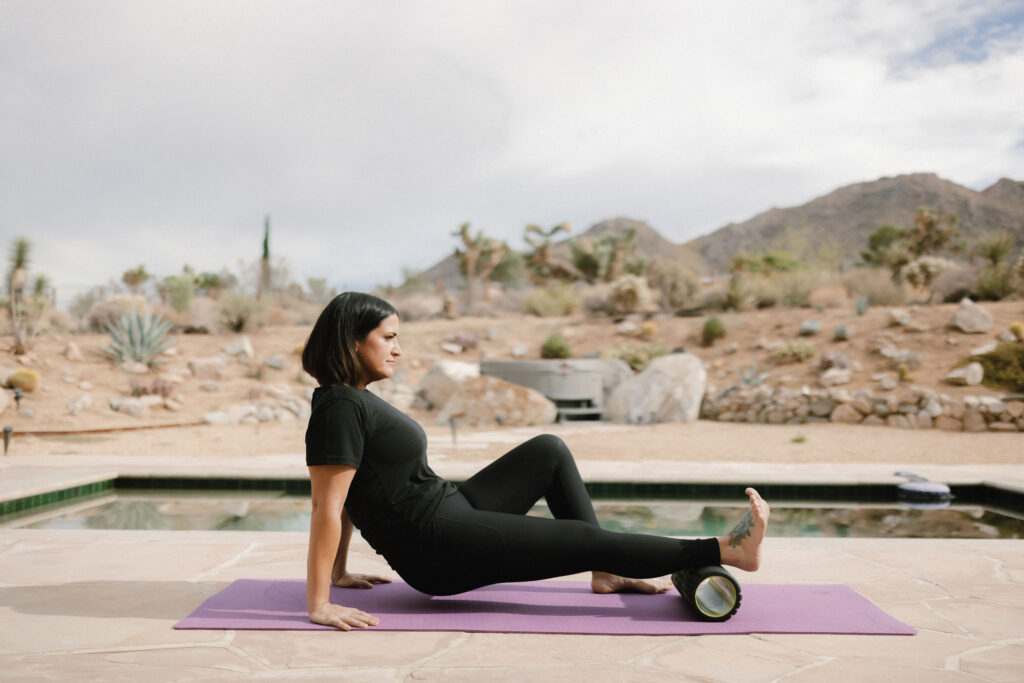
Roll slowly. If you’re zipping over muscles like you’re late for a meeting, your body won’t have time to release tension. Slow and steady wins this race.
Breathe. Breathing is good! Holding your breath while rolling over a sore spot is the bodywork version of “it hurts, but I’ll pretend it doesn’t.” Breathe through it, it helps your muscles relax.
Focus on the big areas. Quads, calves, glutes, and back are great places to start. These major muscle groups often hold the most tension.
Use it consistently. Just a few minutes a day can make a noticeable difference in how you move and feel.
The Don’ts
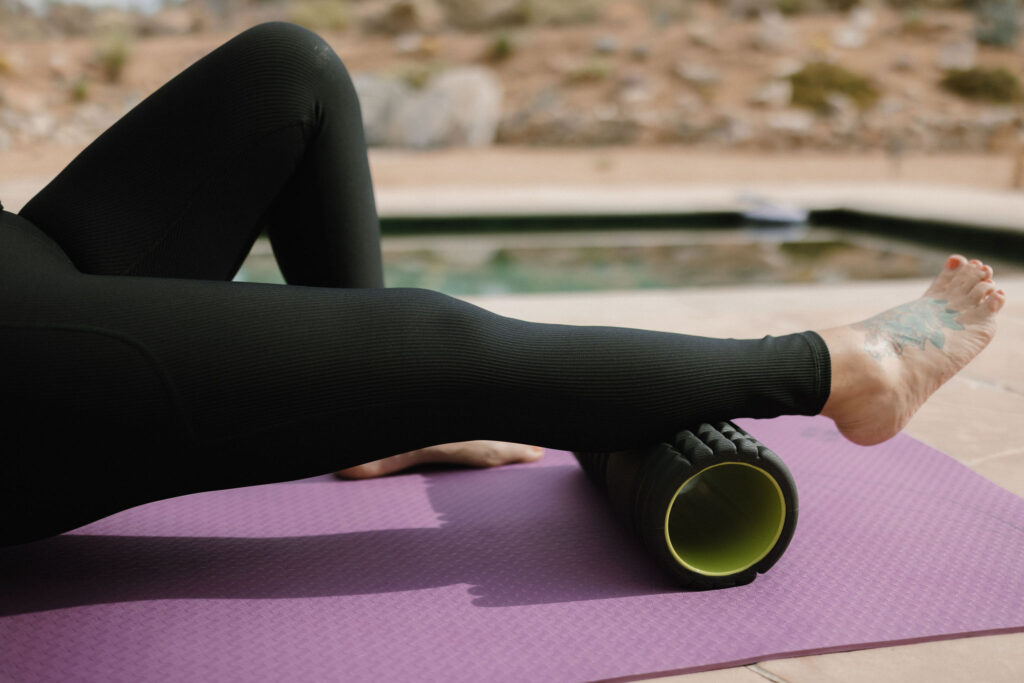
Don’t roll directly over joints or bones. Foam rolling should feel productive, not painful. Stick to muscle tissue.
Don’t roll your IT Band (iliotibial band). I know it’s tempting.. it’s tight, and you can feel it.. but rolling on it doesn’t actually loosen it up. The IT Band is a fibrous band of tissue, not a muscle, so it doesn’t stretch or contract the same way. Instead, focus on the muscles around it, like your quads, hamstrings and glutes to ease the tension that’s pulling on it.
Don’t roll too fast or too hard. You’re not tenderizing a steak (and your muscles will remind you of that later).
Don’t overdo it. A few minutes per area is plenty. If you’re sore the next day, your foam roller might be getting too much attention.
A Little Pro Insight
If you find a particularly tight spot, pause there, breathe deeply, and let your body ease into it. That’s where the real magic happens. Over time, this helps your muscles “let go” instead of fighting back.
Also, if foam rolling feels unbearable, it might be your body’s way of saying it needs more recovery or a professional touch. That’s when scheduling a massage can make a big difference.
Rolling It All Together
Foam rolling is one of the simplest ways to take care of your body between sessions. It’s easy, affordable, and when done right, it can help you feel looser, move better, and recover faster.
So dust off that roller, find a little space, and give your muscles the TLC they deserve. Your future self (and your massage therapist) will thank you.
*If you caught my first blog post, you know I’m all about keeping things real, helpful, and a little lighthearted when it comes to bodywork and self-care. If you found this helpful, stay tuned for more posts like this. Or better yet, book your next session and let’s get those muscles rolling the right way.


